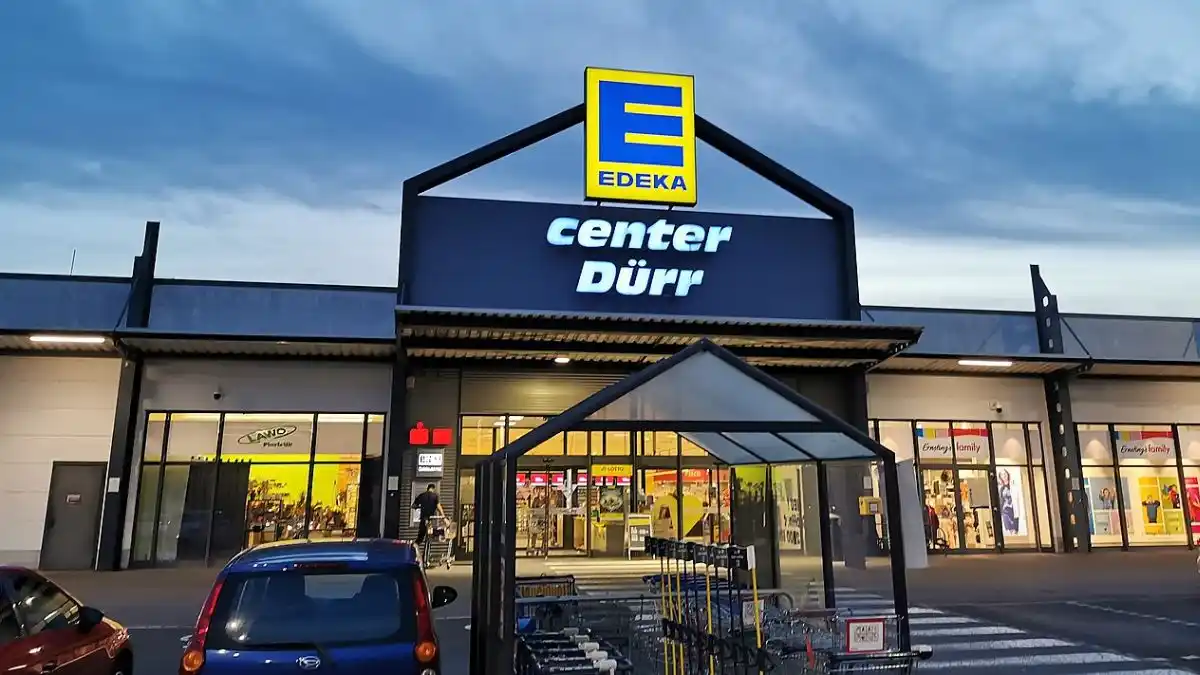

EDEKA Group and Netto Marken-Discount have launched a new climate protection project targeting milk supply chains in Germany. The initiative brings together four dairies – EMP Milchhof Prenzlau, NordseeMilch, Royal A-ware, and Gropper – and Leuphana University Lüneburg to develop a standardized, scalable system for reducing agricultural emissions across conventional milk production.
The project aims to make emissions data more transparent and comparable while creating practical, data-driven solutions that can be applied across the industry. Participating dairies will involve farmers directly, ensuring the measures are feasible and economically viable. From 2027, the focus will expand to implementing high-impact climate measures throughout the milk value chain.
What is the EDEKA Climate Milk Project?
The initiative is a collaboration between supermarkets, dairies, and researchers to make milk production more climate-friendly. It focuses on conventional supply chains rather than premium or niche products, aiming for practical, scalable, and scientifically supported solutions for reducing greenhouse gas emissions in agriculture.
At a glance:
- Partners: EDEKA, Netto, EMP Milchhof Prenzlau, NordseeMilch, Royal A-ware, Gropper.
- Scientific support: Leuphana University Lüneburg.
- Objective: Standardize emissions data and reduce agricultural carbon footprint.
- Scope: Regular milk supply chains in Germany, starting 2026.
- Timeline: Implementation focus from 2027.
- Private label relevance: All dairies supply EDEKA and Netto products.
- Goal: Transparent, scalable model for broader adoption in the German dairy market.
The four dairies bring diverse expertise: EMP reflects eastern Germany’s agriculture; NordseeMilch represents northern cooperative farms; Royal A-ware contributes proven market concepts from the Netherlands; and Gropper adds experience from central and southern German farms. Leuphana University ensures the project is scientifically robust, while consultancy Quantis provides independent management and methodology support.
With this initiative, EDEKA and Netto aim to create a transferable climate protection model for milk that can eventually benefit other dairies, farmers, and supermarket chains in Germany.
Editors’ Note: All information sourced from EDEKA Group press materials, dairy partners’ websites, and official statements dated April 2026.