
French fresh-produce supplier Omer-Decugis & Cie has reported annual revenue of €319.0 million for its 2025/26 financial year, up 12.0% from €284.8 million a year earlier. The company released its unaudited figures on 3 November, showing continued expansion in its international fruit business despite slower growth later in the year.
The group, based at Rungis near Paris, trades fresh and exotic fruit and vegetables through its SIIM and Bratigny operations. Its financial year ended on 30 September 2026. Revenue rose 16.3% in the first half, but growth eased to 7.8% in the second half as import costs and the European trading environment became more difficult.
| Revenue | 2024/25 | 2025/26 | Change |
|---|---|---|---|
| SIIM | €223.2m | €257.2m | +15.2% |
| Bratigny | €61.7m | €61.8m | +0.2% |
| Group total | €284.8m | €319.0m | +12.0% |
SIIM was the main driver of growth, delivering about four-fifths of group revenue. The division’s fourth-quarter sales increased 9.6% to €54.7 million. Bratigny’s fourth-quarter revenue fell 11.0% to €13.4 million. That contrast is important: the headline group increase does not mean every part of the business enjoyed the same market conditions.
Across the group, fourth-quarter revenue rose 4.8% to €68.1 million, compared with €65.0 million in the same quarter last year. The company said it had managed some trade flows selectively to protect margins in an environment of high import and logistics costs and strong pressure on European selling prices.
Omer-Decugis cited geopolitical disruption linked to the Middle East, increased logistics costs and unfavourable French weather as factors affecting second-half trading. More selective demand for fresh produce added pressure. These issues are particularly relevant to imported tropical fruit, where shipping reliability, temperature control and ripening windows influence what retailers can put on shelves.
The group warned that its EBITDA margin was likely to decline for the financial year. The revenue figures are preliminary and unaudited, so rising sales should not be read as equivalent growth in profit. Detailed annual results will provide a clearer picture of operating performance and cash generation.
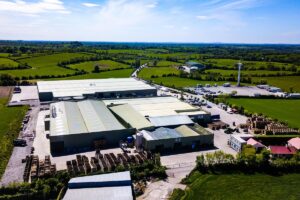
The company is continuing its 2026–2030 development plan, which includes doubling ripening capacity, strengthening upstream links and expanding its commercial reach in Europe. It expects its Dunkirk logistics facility to begin operating in November 2027. That project aims to improve access to northern European distribution routes, although the new capacity is not yet available for orders.
For supermarket produce buyers, the important questions are whether extra ripening space will improve continuity, how import and inland freight costs are allocated, and whether supplier service can be maintained when consumer demand and prices soften. The group’s expanding infrastructure could create more sourcing options, but specific volumes, delivery windows and commercial terms still need to be agreed directly.
GTN previously examined the Dunkirk fruit-hub investment and the supplier landscape in its French fresh-produce company comparison. Today’s figures add an important trading update to those longer-term investment plans.
The next milestone is the publication of the group’s detailed full-year financial results and further progress on the Dunkirk site ahead of its planned November 2027 opening.
Editor’s Note: Based on Omer-Decugis & Cie’s 3 November 2026 regulated financial release, translated from the French announcement. GTN’s analysis highlights the difference between sales growth and profitability and the implications for fresh-produce sourcing.