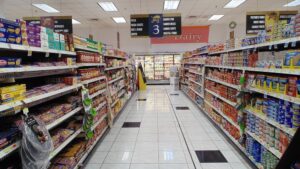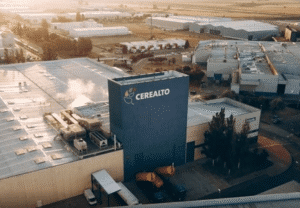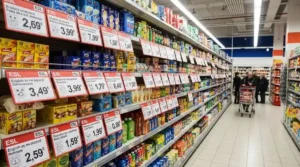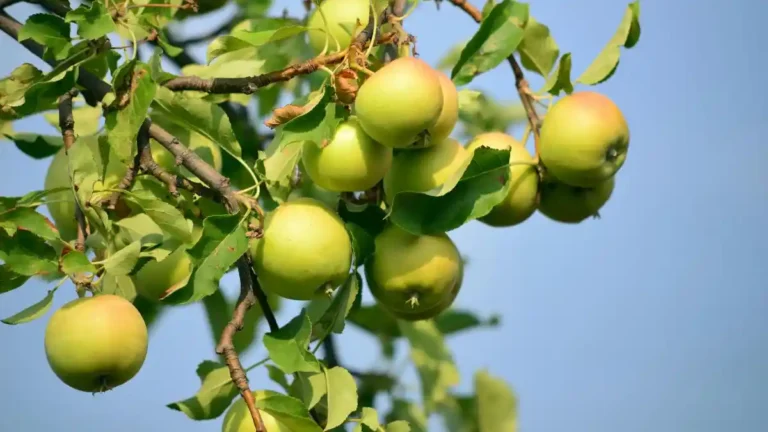

Belgium may not produce Europe’s largest apple harvest. But it has developed one of the continent’s most efficient fresh produce supply chains.
Several changes have reshaped the sector over the past decade:
- Industry consolidation
- Modern cooperative marketing
- Advanced grading technology
- Integrated grower-packer models
Today, Belgian apple suppliers compete less on production volume. They compete more on consistency, food safety and logistics. Their ability to support year-round supermarket and private label programmes across Europe also matters.
This ranking examines the five organisations that best represent Belgium’s commercial apple industry in 2026. It also looks at their importance to retailers, exporters and fresh produce buyers.
Apple Produce Companies in Belgium
| Rank | Company | FY Revenue | Strategic Role |
|---|---|---|---|
| 1 | BelOrta | Private | Belgium’s largest cooperative and apple marketing platform |
| 2 | Devos-Wouters | Private | Integrated grower, packer and exporter |
| 3 | New Green | Private | Sustainable premium apple producer |
| 4 | D&G Fruit (Vergro Group) | Private | Vertically integrated retail supplier |
| 5 | Wolfcarius Fruit (WFT) | Private | Direct supermarket and club variety specialist |
Why Belgium Excels in Supermarket Supply
Belgium has earned a distinctive position within the European fresh produce sector by focusing on efficiency rather than scale.
Neighbouring countries often compete through production volume or premium regional branding. Belgian suppliers have instead built a business model centred on retailer requirements.
Consistent quality, rapid logistics, food safety and long-term commercial partnerships now define the country’s apple industry.
Five structural characteristics explain why Belgian apples remain highly competitive across European supermarket supply chains.
Consolidation
Belgium’s apple sector has increasingly consolidated through cooperative integration and commercial mergers.
Larger organisations can coordinate production, packing and marketing more efficiently. They can also meet the volume, consistency and service levels required by national retailers and international buying groups.
Technology
Investment in optical grading systems, automated packing lines and controlled-atmosphere storage has become standard across many commercial operations.
These technologies help improve consistency and reduce waste. They also support longer marketing seasons while maintaining fruit quality.
Food Safety
Belgian growers and packers operate under internationally recognised food safety and quality assurance systems.
Certifications such as BRCGS and IFS have become essential for supplying major retailers. They support consumer confidence and help exports across European markets.
Private Label Collaboration
Belgian suppliers increasingly work alongside supermarket buying teams to develop private label apple programmes.
These partnerships are often designed for individual supermarket chains. They can include:
- Customised packaging
- Variety selection
- Sustainability requirements
- Retail-ready specifications
Strategic Logistics
Belgium’s location at the centre of Western Europe provides an important commercial advantage.
Modern distribution networks let fruit from key growing regions reach supermarket distribution centres within short delivery windows. These centres are in:
- Belgium
- France
- Germany
- Luxembourg
- The Netherlands
This supports fresh produce programmes that demand speed and reliability.
1. BelOrta
Founded: 2013 (following the merger of several Belgian horticultural cooperatives)
Headquarters: Sint-Katelijne-Waver, Belgium
FY Revenue: Private
Core Operations: Cooperative auction, fruit and vegetable marketing, packing, logistics and export.
Verified Operational Facts
BelOrta is Belgium’s largest fruit and vegetable cooperative. It is also the country’s leading commercial platform for apples and pears.
The cooperative integrated BFV’s top-fruit activities, which further strengthened its position in Belgium’s apple industry. This brought together a wide network of growers, marketing operations and logistics infrastructure.
The organisation markets a broad range of fresh produce. Apples and pears remain among its most significant fruit categories.
Through its cooperative model, member growers gain access to:
- Professional auction services
- Quality control systems
- Storage facilities
- Domestic and international sales channels
BelOrta supplies customers ranging from wholesalers and foodservice operators to major supermarket chains across Europe.
Trade Publication Analysis
BelOrta shows how consolidation has reshaped the Belgian apple industry.
Belgian growers no longer compete through many smaller regional auctions. They increasingly operate through larger commercial organisations. These can supply retail customers that demand consistent quality, predictable volumes and year-round availability.
For supermarket buyers, this creates a simpler sourcing model. One commercial platform can coordinate fruit from many growers. It applies common grading standards, packaging requirements and food safety protocols.
This model is particularly valuable as retailers expand private label fresh produce programmes. In these programmes, consistency and traceability often matter more than simple production volume.
Why the cooperative model matters
BelOrta also shows the continuing importance of cooperative structures in the Belgian fresh produce sector.
Individual growers remain independent businesses. Yet together they take part in a commercial organisation that can serve large-scale procurement programmes. These would be difficult to access alone.
Operational efficiency has become one of BelOrta’s defining strengths. Investment in modern grading technology, controlled-atmosphere storage and digital auction systems lets the cooperative respond quickly to market changes. It also maintains product quality throughout the marketing season.
Belgium’s central location further strengthens BelOrta’s commercial position. Distribution networks let apples packed in Belgium reach supermarket distribution centres across Western Europe within fairly short transit times. This supports retailer requirements for freshness and supply continuity.
The cooperative’s continued investment in sustainability, traceability and quality assurance reflects wider changes in European retail procurement.
Buyers increasingly judge suppliers on environmental performance alongside price and product quality. This makes integrated cooperative structures such as BelOrta an important part of Belgium’s long-term competitiveness.
For these reasons, BelOrta ranks first in this report. Its scale, cooperative network and commercial infrastructure make it the best representative of Belgium’s modern apple supply chain. This includes its role in European retail and private label fresh produce programmes.
2. Devos-Wouters
Founded: Commercial merger effective 1 August 2025
Headquarters: Belgium
FY Revenue: Private
Core Operations: Apple and pear growing, grading, packing, cold storage, marketing and export.
Verified Operational Facts
Devos-Wouters was created through the commercial merger of Devos Group and Fruithandel Romain Wouters. The merger was announced in early 2025 and implemented on 1 August 2025.
It combined the commercial activities of two long-established Belgian family fruit businesses. The single organisation focuses on production, storage, grading, packing and sales.
According to the companies, the merged business has these key facts:
- About 300 hectares of orchards
- Around 13,000 tonnes of cold storage capacity
- Modern grading and packing facilities
The organisation produces a broad portfolio of commercial apple varieties. These include established varieties such as Jonagold and Gala, alongside premium managed club varieties.
The business supplies domestic and export customers across the European fresh produce market through a coordinated commercial structure.
Trade Publication Analysis
The creation of Devos-Wouters is one of the most significant structural changes in Belgium’s fresh produce industry in recent years.
The merger was not designed simply to increase production. It was designed to strengthen commercial capability.
Combining orchard production, storage infrastructure and sales operations in one organisation helps the business coordinate supply more efficiently. It also reduces duplication across logistics and administration.
For Belgian supermarket buyers and international retailers, scale alone is no longer enough. Suppliers must also show consistency, flexible packaging, dependable logistics and uniform quality throughout extended supply programmes.
The Devos-Wouters model reflects those changing procurement requirements.
Why it matters to supermarket buyers
Modern retail customers increasingly expect complete commercial solutions, not just harvested fruit. That includes:
- Storage management
- Quality control
- Customised packaging
- Retailer specifications
- Reliable delivery schedules
Integrated grower-packers are generally better placed to meet those expectations than fragmented supply chains.
The organisation also shows another important trend in European horticulture: commercial consolidation outside the traditional cooperative model.
Belgium’s auction system still plays an important role. But companies such as Devos-Wouters show that independent family businesses are also choosing to consolidate as market conditions change.
Several pressures encourage businesses to operate at greater scale:
- Rising labour costs
- Investment requirements
- Retailer concentration
- Tighter food safety standards
Another strength is operational flexibility.
With substantial cold storage capacity and integrated grading facilities, the organisation can manage fruit across longer marketing periods. It can also respond to changing customer demand.
This flexibility is increasingly valuable. Retailers want stable year-round supply programmes rather than short seasonal purchasing windows.
The company also keeps a diversified variety portfolio. It combines established commercial apples with managed club varieties that offer extra room for premium positioning.
This balanced approach lets the organisation supply both mainstream retail programmes and higher-value market segments.
For the wider Belgian fresh produce sector, the merger shows how commercial integration is becoming a competitive advantage. Businesses are not competing only on orchard size or harvest volume. They are investing in infrastructure, logistics and coordinated marketing that support modern supermarket procurement.
The organisation therefore ranks second in this report. It reflects Belgium’s move from a collection of independent fruit businesses towards larger, integrated commercial operations. These are designed to serve increasingly sophisticated supermarket and private label supply chains across Europe.
3. New Green
Founded: Private
Headquarters: Sint-Truiden, Belgium
FY Revenue: Private
Core Operations: Apple and pear production, packing, export, supermarket supply and sustainable fruit programmes.
Verified Operational Facts
New Green is one of Belgium’s recognised premium fruit producers. It specialises in apples and pears for domestic and international retail markets.
It operates from the Haspengouw fruit-growing region. The company manages commercial orchard production alongside modern packing and marketing operations.
The business supplies a broad range of apple varieties. It has developed programmes focused on:
- Sustainable production
- Integrated Production (IP) practices
- Reduced-residue cultivation
These initiatives support growing retailer demand for environmentally responsible fresh produce.
New Green supplies customers across Belgium and wider European markets through supermarket, wholesale and export channels.
Trade Publication Analysis
New Green shows how sustainability has become a commercial advantage rather than simply a compliance exercise.
Across Europe’s fresh produce industry, retailers increasingly judge suppliers on production methods as well as price and quality. Important purchasing criteria for supermarket buyers now include:
- Orchard biodiversity
- Responsible crop protection
- Traceability
- Lower-residue production
New Green has positioned itself to respond to these changing expectations.
It does not compete mainly through production scale. Instead, the company focuses on premium fruit that matches evolving retailer standards.
This approach supports long-term commercial relationships. It also helps retailers strengthen their own environmental commitments within the Belgian supermarket sector.
Why consistency matters
Another important strength is production consistency.
Premium supermarket programmes need apples that meet detailed specifications for colour, size, firmness and appearance throughout the marketing season.
Meeting these standards depends on careful orchard management, modern grading equipment and efficient post-harvest handling. Harvest volume alone is not enough.
New Green’s integrated production model gives the business greater oversight across these stages of the supply chain.
The company also reflects a broader shift across European horticulture.
Consumers increasingly expect locally produced fruit backed by transparent production practices and clear environmental credentials. As a result, many retailers now balance pricing with sustainability performance when choosing long-term suppliers.
This has created opportunities for businesses that combine commercial-scale production with environmentally responsible growing methods.
New Green’s role in private label programmes also shows this evolution.
Retailer-owned fruit brands often require suppliers to meet specific production protocols. These cover residue management, packaging materials, traceability and quality assurance.
Companies that consistently meet these requirements become valuable strategic partners rather than simply seasonal suppliers.
Belgium’s central location further strengthens New Green’s competitive position. Efficient transport links let premium apples move quickly into neighbouring markets. This keeps them fresh and reduces delivery times.
For the wider Belgian fresh produce industry, New Green represents the growing importance of sustainability-led commercial strategies. The company does not treat environmental performance as a marketing exercise. It builds responsible production into its core business model while still supplying demanding supermarket customers.
Its mix of premium production, sustainability initiatives and retailer-focused operations earns New Green third place in this ranking.
The company shows how Belgian apple growers keep adapting to changing procurement priorities. It also strengthens the country’s reputation as a reliable supplier of high-quality fresh produce across Europe.
4. D&G Fruit (Vergro Group)
Founded: Private
Headquarters: Sint-Truiden, Belgium
FY Revenue: Private
Core Operations: Apple and pear production, grading, packing, storage, export and supermarket supply.
Verified Operational Facts
D&G Fruit operates as part of Vergro Group. This is one of Belgium’s established fresh produce businesses, supplying customers across Europe and international markets.
The company manages commercial apple and pear orchards. It also runs modern grading, packing and storage facilities in Belgium’s main fruit-growing region.
According to publicly available company information:
- D&G Fruit manages more than 200 hectares of pome fruit production.
- Its packing facility is certified to the BRCGS Global Standard for Food Safety.
- It achieved the AA+ certification level.
Its operations integrate orchard production, post-harvest handling, packing and commercial distribution. It supplies retailers, wholesalers and export customers through Vergro Group’s wider commercial network.
Trade Publication Analysis
D&G Fruit shows how vertical integration has become increasingly important within the Belgian fresh produce industry.
Modern supermarket procurement extends well beyond fruit production. Buyers expect one commercial organisation to coordinate the whole process:
- Harvesting
- Grading
- Storage
- Packing
- Traceability
- Delivery
That organisation must also maintain consistent quality throughout the season.
The integration of D&G Fruit within Vergro Group reflects this evolution.
The company does not operate as an independent orchard business. It forms part of a broader commercial network that links production directly with domestic and international retail customers.
This structure lets harvesting, storage and packing decisions be coordinated across the supply chain. It also helps the business respond efficiently to customer demand.
Food safety and infrastructure
Food safety also plays a central role in the company’s commercial position.
For European retailers, recognised certification schemes have become essential for supplier approval. Standards such as BRCGS show that packing operations meet international requirements. These cover food safety, traceability, quality management and operational controls.
Maintaining these standards supports long-term relationships with major retailers. It also helps exports into several European markets.
Another competitive strength lies in infrastructure.
Modern grading equipment, controlled-atmosphere storage and automated packing help maintain apple quality and improve efficiency. These investments also support retailer programmes that need consistent fruit specifications across extended supply periods.
D&G Fruit’s integrated structure closely matches the changing needs of the Belgian supermarket sector.
Retail buyers increasingly prefer suppliers that can manage complete programmes rather than individual transactions. That includes flexible packaging formats, retailer-specific product specifications, coordinated logistics and transparent traceability from orchard to distribution centre.
The company also reflects a broader transformation across Belgium’s horticultural sector.
Commercial success increasingly depends on combining production expertise with investment in technology, food safety and customer service.
Businesses that integrate these functions are generally better placed to compete for premium supermarket and private label programmes. Organisations that act only as primary producers are at a disadvantage.
For these reasons, D&G Fruit ranks fourth in this report. It combines vertically integrated production, internationally recognised food safety standards and modern packing infrastructure.
This shows how Belgian suppliers keep strengthening their position within Europe’s highly competitive fresh produce supply chain.
5. Wolfcarius Fruit (WFT)
Founded: Private
Headquarters: Markegem (Deinze), Belgium
FY Revenue: Private
Core Operations: Apple and pear growing, grading, packing, club variety production and direct supermarket supply.
Verified Operational Facts
Wolfcarius Fruit operates through Wolfcarius Fruit Production & Trade (WFT). It is one of Belgium’s leading independent grower-packers specialising in premium apples and pears.
The company manages commercial orchards alongside modern grading, packing and storage facilities. It supplies both domestic and export markets.
Its apple portfolio includes established commercial varieties such as Jonagold, Jonagored, Braeburn, Golden Delicious and Gala. It also takes part in premium club variety programmes.
Wolfcarius Fruit is among the selected Belgian growers producing Magic Star® (SQ159) and Coryphée®. These are proprietary apple varieties developed for long-term retail programmes.
Publicly available industry information also confirms the company’s role in commercial partnerships. These supply the club varieties to major Belgian retail customers.
Trade Publication Analysis
Wolfcarius Fruit represents another important evolution in the Belgian fresh produce industry. This is the move from traditional commodity trading towards long-term retailer partnerships.
In the past, much of Belgium’s fruit was marketed through cooperative auction systems. Auctions still play an important role. But more specialist growers now work directly with supermarket buying teams under structured commercial agreements.
Wolfcarius Fruit reflects that transition.
The company does not focus only on open-market sales. It has built expertise in premium club varieties, retailer-specific programmes and integrated supply relationships.
This model gives retailers greater visibility over product quality, availability and traceability. It also lets growers take part in carefully managed production programmes.
Post-harvest technology and club varieties
Another distinguishing feature is investment in post-harvest technology.
Modern optical grading equipment sorts apples by size, colour and external quality before packing. Combined with controlled storage and efficient packing, these systems deliver consistent fruit that meets increasingly detailed supermarket specifications.
This capability is becoming more important as retailers expand premium apple ranges alongside private label products.
Wolfcarius Fruit also shows how genetics are influencing the commercial apple market.
Club varieties such as Magic Star® are grown under controlled licensing systems. These are designed to maintain quality standards and balanced market supply.
Taking part in these programmes requires growers to follow detailed production protocols. They also work closely with variety managers and retail partners.
For supermarkets, this approach offers differentiated products with clearly defined quality characteristics. For growers, it creates chances to join premium retail categories backed by longer-term commercial planning.
The company also benefits from Belgium’s strategic location within Western Europe.
Efficient logistics let premium apples packed in Belgium move rapidly into neighbouring markets. This supports supermarket distribution networks that increasingly depend on frequent deliveries and short lead times.
Wolfcarius Fruit therefore completes this ranking. It represents Belgium’s growing emphasis on direct retail collaboration, premium apple genetics and integrated supply chains.
Alongside larger cooperatives and vertically integrated businesses, it shows that independent specialist growers still play an important role. They supply Belgian supermarkets, European retailers and private label fresh produce programmes.
Industry Outlook
Belgium’s apple industry continues to evolve in response to changing retail expectations rather than increasing production alone.
Consolidation is expected to remain a defining trend. Growers and commercial businesses seek greater efficiency through shared infrastructure and coordinated marketing.
At the same time, investment is likely to remain a priority across the Belgian fresh produce sector in these areas:
- Automation
- Controlled-atmosphere storage
- Digital traceability
- Food safety systems
Retail demand is also changing. Supermarkets increasingly want suppliers that can deliver premium quality, transparent sourcing and sustainable production practices. They also want flexible private label solutions alongside branded fruit.
Belgian producers are well placed to respond. They combine cooperative strength, integrated grower-packer models and efficient logistics.
The country may not compete with Europe’s largest producers on harvest volume. But it continues to strengthen its role as one of the region’s most reliable suppliers of premium apples for supermarket programmes across Western Europe.
Frequently Asked Questions
What is Belgium’s largest apple cooperative?
BelOrta is Belgium’s largest fruit and vegetable cooperative. It is also the country’s leading commercial platform for apples and pears.
When was Devos-Wouters formed?
Devos-Wouters was formed by the merger of Devos Group and Fruithandel Romain Wouters, effective 1 August 2025. The business combines about 300 hectares of orchards and around 13,000 tonnes of cold storage capacity.
Which food safety certifications do Belgian apple suppliers use?
Certifications such as BRCGS and IFS have become essential for supplying major retailers. D&G Fruit’s packing facility, for example, holds BRCGS certification at the AA+ level.
Editor’s Note: Information for this report was compiled from official company websites, cooperative publications, corporate announcements, product and sustainability information, and publicly available industry sources. Primary sources included BelOrta, Devos-Wouters, New Green, D&G Fruit (Vergro Group), Wolfcarius Fruit (WFT), VBT (Verbond van Belgische Tuinbouwcoöperaties), FreshPlaza, Fruitnet, and other publicly available Belgian fresh produce and horticultural industry publications.
Financial information is listed as Private where companies do not publicly disclose revenue or detailed financial results.