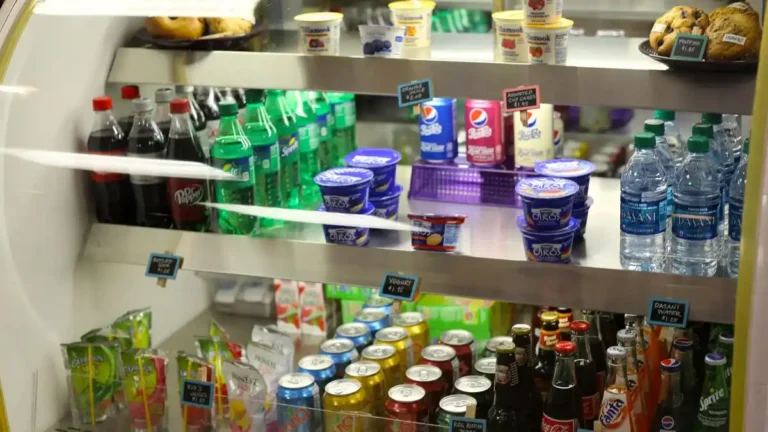

Denmark’s supermarket refrigeration market is built around natural refrigerants, digital controls and close cooperation between equipment suppliers, contractors and retailers. Danish grocery groups were early adopters of CO₂ systems. Companies such as Advansor and Danfoss helped turn that technology into a practical commercial standard.
Salling Group, Coop Danmark, REMA 1000 and Lidl continue investing in refrigeration systems. These systems lower energy use, reduce food loss and recover heat for store operations. The companies leading this market are not simply selling cabinets.
They provide CO₂ packs, monitoring platforms, installation services and retail equipment. Together, these shape how Danish supermarkets manage cooling, heating and energy performance.
At a Glance
| Rank | Company | FY Revenue | Strategic Role |
|---|---|---|---|
| 1 | Advansor | Private | CO₂ refrigeration and integrated heating |
| 2 | SA-AL Køleteknik | Private | Installation, commissioning and service |
| 3 | Danfoss | Public group | Controls, monitoring and energy optimisation |
| 4 | WSL Refrigeration | Private | Refrigerated cabinets and retail equipment |
| 5 | Super-Køl | Private | Turnkey supermarket refrigeration projects |
Methodology
This ranking is based on verified activity in Danish supermarkets rather than global company size.
Companies were assessed using these criteria:
- Publicly documented retailer projects
- Danish supermarket references
- Installation capability
- Natural refrigerant expertise
- Cabinet supply
- Digital monitoring
- Long-term service support
The ranking reflects each company’s strategic role in the Danish supermarket refrigeration market.
It does not represent audited market share.
Why Denmark Matters
Denmark is one of Europe’s most influential supermarket refrigeration markets. It combines strong domestic engineering with retailers willing to test new technology.
The country moved early towards CO₂ refrigeration as grocery groups looked for alternatives to high-global-warming-potential refrigerants. Danish suppliers then developed systems that went beyond cooling alone.
Modern installations increasingly combine refrigeration, heat recovery, store heating and digital performance monitoring.
Salling Group operates Netto, føtex and Bilka. It has worked with Danfoss on sustainable refrigeration since the 1980s. More recently, the companies expanded that relationship through digital monitoring and food-loss prevention using the Alsense platform.
Denmark also shows how supermarkets can become local heat suppliers. Danfoss documented a SuperBrugsen store in Augustenborg that reused 95% of the excess heat generated by its refrigeration system. Surplus heat was sent into the local district-heating network.
That combination of CO₂ technology, digital controls and heat recovery gives Denmark a distinct place within Europe’s food-retail refrigeration sector.
1. Advansor
- Founded: 2006
- Headquarters: Aarhus, Denmark
- FY Revenue: Private
- Core role: Transcritical CO₂ refrigeration systems
Advansor is one of Denmark’s most important commercial refrigeration manufacturers. It is a recognised specialist in transcritical CO₂ technology.
What it supplies
The company designs factory-built refrigeration packs. A single CO₂ system can provide refrigeration, freezing, air conditioning and heating. This integrated approach is especially relevant for supermarkets that want to reduce separate heating equipment, recover waste heat and lower total building energy use.
Documented Danish projects
Advansor has direct, documented Danish food-retail references. Its project for ALDI Denmark at Rådhuspladsen in Aarhus used a low-noise ValuePack CO₂ system. SA-AL Køleteknik was named as the contractor.
The project replaced high-GWP refrigeration with R744. It was designed for a densely populated urban location where equipment noise and available floor space were important constraints.
The company has also supplied a combined cooling and heating solution for a Danish Netto store. These projects confirm that Advansor’s role in Denmark is not limited to exporting refrigeration technology. Its systems are used within the domestic supermarket market.
Why it matters to supermarket buyers
Advansor’s competitive strength lies in producing complete CO₂ packs that arrive factory tested and ready for installation. This can reduce site work and improve commissioning consistency. It also gives retailers a clearer route to combining refrigeration with heat recovery.
2. SA-AL Køleteknik
- Founded: 1994
- Headquarters: Aarhus area, Denmark
- FY Revenue: Private
- Core role: Refrigeration installation and nationwide service
SA-AL Køleteknik represents the contracting and field-service side of Denmark’s supermarket refrigeration market.
What it does
The company installs, commissions and maintains commercial refrigeration systems. These include transcritical CO₂ technology, heat pumps and energy-optimisation equipment. It operates from locations including Aarhus, Egå, Ringsted and Kolding, giving it coverage across Denmark.
Nordic Climate Group identifies supermarkets as one of SA-AL’s principal customer segments.
SA-AL is directly linked to verified Danish supermarket projects. Advansor named the company as the contractor for its ALDI Denmark CO₂ installation in Aarhus. That role included the practical work needed to put the system into service within a constrained city-centre location.
Why it matters to supermarket buyers
For grocery retailers, the installer is often as important as the equipment manufacturer. Poor commissioning, delayed repairs or limited service coverage can increase energy use and expose stores to product losses.
SA-AL’s value therefore comes from its ability to connect manufacturers, control systems and supermarket operations. Its expertise in CO₂, commercial refrigeration, energy optimisation and service makes it one of the most operationally relevant companies in Denmark’s food-retail cooling sector.
3. Danfoss
- Founded: 1933
- Headquarters: Nordborg, Denmark
- FY Revenue: Public group
- Core role: Controls, valves, monitoring and energy optimisation
Danfoss does not manufacture supermarket cabinets. Its technology still sits inside a large share of modern refrigeration installations.
What it supplies
The company supplies these technologies:
- Electronic expansion valves
- Pack controllers
- Sensors
- Drives
- Cloud-based monitoring platforms
They manage refrigerant flow, track temperatures and optimise compressor performance. They also alert retailers when equipment begins operating outside normal conditions.
Documented Danish projects
Its Danish supermarket role is directly documented through Salling Group. In 2023, Salling Group, Danfoss and Microsoft announced a collaboration using Danfoss Alsense to track refrigeration performance. The collaboration supports preventative maintenance and reduces energy use and food loss across Danish stores.
Danfoss also has a long-standing connection with Salling Group’s transition towards sustainable cooling. The companies say their cooperation dates back to the 1980s, including the adoption of CO₂ and other lower-GWP refrigeration technologies.
The company’s influence extends into heat recovery. At SuperBrugsen Augustenborg, Danfoss technology helped reuse refrigeration heat for store heating, hot water and the local district-heating system.
Why it matters to supermarket buyers
Danfoss belongs in Denmark’s Top 5 because digital controls are now central to supermarket refrigeration performance. Hardware can keep food cold. Controls determine how efficiently the complete system operates.
4. WSL Refrigeration
- Founded: 1970s (company heritage)
- Headquarters: Denmark operations
- FY Revenue: Private
- Core Role: Refrigerated display cabinets and retail refrigeration equipment
What it supplies
WSL Refrigeration has built a strong reputation within Denmark’s grocery sector. It supplies refrigerated display cabinets, freezer islands, multidecks and customised retail refrigeration equipment. The company focuses on equipment that combines product visibility with energy efficiency. This helps supermarkets improve both merchandising and operating performance.
Unlike manufacturers specialising in central refrigeration packs, WSL concentrates on the customer-facing refrigeration equipment found throughout supermarket sales floors. Cabinet design plays an important role in retail operations. It influences food presentation, shopping convenience and electricity consumption.
Documented Danish projects
The company’s presence in Denmark is supported by documented supermarket projects. WSL supplied refrigeration equipment for a føtex supermarket in Aarhus, including refrigerated multidecks, service counters and frozen food cabinets. It has also completed refrigeration installations for a Netto supermarket in Odense. This shows its involvement with one of Denmark’s largest grocery banners.
Why it matters to supermarket buyers
Danish retailers continue modernising stores. Cabinet efficiency has therefore become increasingly important. These factors all help reduce operating costs while maintaining food quality:
- Improved insulation
- LED lighting
- Optimised airflow
- Compatibility with natural refrigerants
WSL continues to support supermarket operators seeking refrigeration equipment that balances sustainability, operational efficiency and modern retail design.
5. Super-Køl
- Founded: 1945
- Headquarters: Denmark
- Ownership: Part of the Arneg Group
- FY Revenue: Private
- Core Role: Turnkey supermarket refrigeration, installation and service
Super-Køl is one of Denmark’s longest-established commercial refrigeration specialists. It has played an important role in supermarket refrigeration projects for decades.
What it supplies
Now operating as part of the Arneg Group, the company supplies complete commercial refrigeration solutions. These cover refrigerated cabinets, freezer systems, cold rooms, installation, commissioning, maintenance and lifecycle service. Its experience extends across supermarkets, convenience stores, food retailers and commercial refrigeration facilities.
One of Super-Køl’s major strengths is its ability to deliver complete projects rather than individual products. Retailers increasingly look for partners that can manage refrigeration design, equipment supply, installation and ongoing maintenance through a single organisation.
Why it matters to supermarket buyers
Denmark’s transition towards natural refrigerants has further strengthened the importance of experienced contractors. Super-Køl supports supermarket operators implementing CO₂ refrigeration technology. It also helps stores meet demanding environmental and energy-efficiency requirements.
As part of Arneg’s international network, Super-Køl combines local Danish engineering expertise with access to one of Europe’s leading commercial refrigeration manufacturers. This allows the company to support both new supermarket developments and refurbishment projects across Denmark.
Supporting Refrigeration Ecosystem
Behind Denmark’s leading supermarket refrigeration suppliers is a network of technology providers. They support modern food retail infrastructure.
- BITZER Denmark supplies compressors used in many commercial refrigeration systems installed throughout the country. Its technology forms an essential part of many CO₂ refrigeration packs serving supermarkets and food distribution centres.
- Beijer Ref Denmark provides refrigeration components, technical support and distribution services to contractors working across Denmark’s commercial refrigeration sector. Through its wider European network, the company supports the growing adoption of natural refrigerants.
- SCM Frigo manufactures factory-built transcritical CO₂ refrigeration packs used in supermarket projects across Europe. It is typically supplied through contractors and distribution partners rather than directly to retailers. Even so, the company’s technology contributes to many modern food-retail refrigeration systems.
Together, these businesses support Denmark’s supermarket refrigeration market. They supply the compressors, controls, refrigeration packs and technical expertise that enable large-scale grocery cooling infrastructure.
Industry Outlook
Denmark remains one of Europe’s leading markets for natural refrigerant technology and supermarket energy innovation.
Retailers are expected to continue replacing older refrigeration systems with CO₂-based solutions. These combine cooling, heating and heat recovery within a single integrated platform. At the same time, digital monitoring systems are becoming increasingly important. Supermarkets want to reduce food waste, improve predictive maintenance and lower electricity consumption.
Artificial intelligence and cloud-based analytics are also beginning to influence supermarket refrigeration. Continuous monitoring of temperatures, compressor performance and energy use lets retailers identify problems before they lead to equipment failures or product losses.
Denmark’s domestic manufacturers and technology companies are well positioned to support this transition. Their experience in CO₂ refrigeration, intelligent controls and energy optimisation continues to influence supermarket refrigeration projects both within Denmark and internationally.
Frequently Asked Questions
Why is Denmark a leader in supermarket refrigeration?
Denmark combines strong domestic engineering with retailers willing to test new technology. It moved early towards CO₂ refrigeration as grocery groups looked for alternatives to high-global-warming-potential refrigerants.
How can supermarket refrigeration heat be reused?
Danfoss documented a SuperBrugsen store in Augustenborg that reused 95% of the excess heat from its refrigeration system. Surplus heat was sent into the local district-heating network.
What role does Danfoss play in Danish supermarkets?
Danfoss supplies controls, valves, sensors and cloud-based monitoring. It works with Salling Group, and the cooperation dates back to the 1980s.
What Happens Next?
Denmark’s supermarket refrigeration sector is expected to remain at the forefront of natural refrigerant adoption and intelligent energy management.
Across the Denmark retail technology sector, refrigeration is becoming increasingly integrated with digital monitoring, predictive maintenance and heat recovery. For the Denmark supermarket industry, future investment is likely to focus on reducing emissions while improving operational efficiency and food safety.
Across the wider Denmark FMCG sector, advanced refrigeration infrastructure will continue supporting resilient food supply chains, lower operating costs and long-term sustainability.
Editor’s Note: This report evaluates companies according to their verified contribution to Denmark’s supermarket refrigeration sector. The assessment considers documented supermarket projects, refrigeration engineering, equipment supply, installation capability, natural refrigerant expertise, lifecycle support and publicly available industry information.
The ranking reflects each company’s strategic role within Denmark’s supermarket refrigeration market and should not be interpreted as audited market share or exclusive retailer procurement relationships.