
Rosina recalls 9,462 pounds of ready-to-eat frozen meatballs distributed to ALDI supermarkets across the United States due to possible metal contamination, federal regulators confirmed.
The recall was announced on 22 February 2026 by the U.S. Department of Agriculture’s Food Safety and Inspection Service (FSIS).
The affected product is a 32-oz bag of fully cooked frozen “Bremer Family Size Italian Style Meatballs,” a private label line sold at ALDI stores nationwide.
The meatballs were produced on 30 July 2025 and carry a “Best By” date of 30 October 2026. The recall follows a consumer complaint reporting metal fragments in the product. No confirmed injuries have been reported.
What Products Are Affected?
• 32-oz printed poly film bags
• “Bremer Family Size Italian Style Meatballs”
• About 64 meatballs per package
• Establishment number EST. 4286B inside the USDA inspection mark
• Timestamps between 17:08 and 18:20
• 15-month shelf life
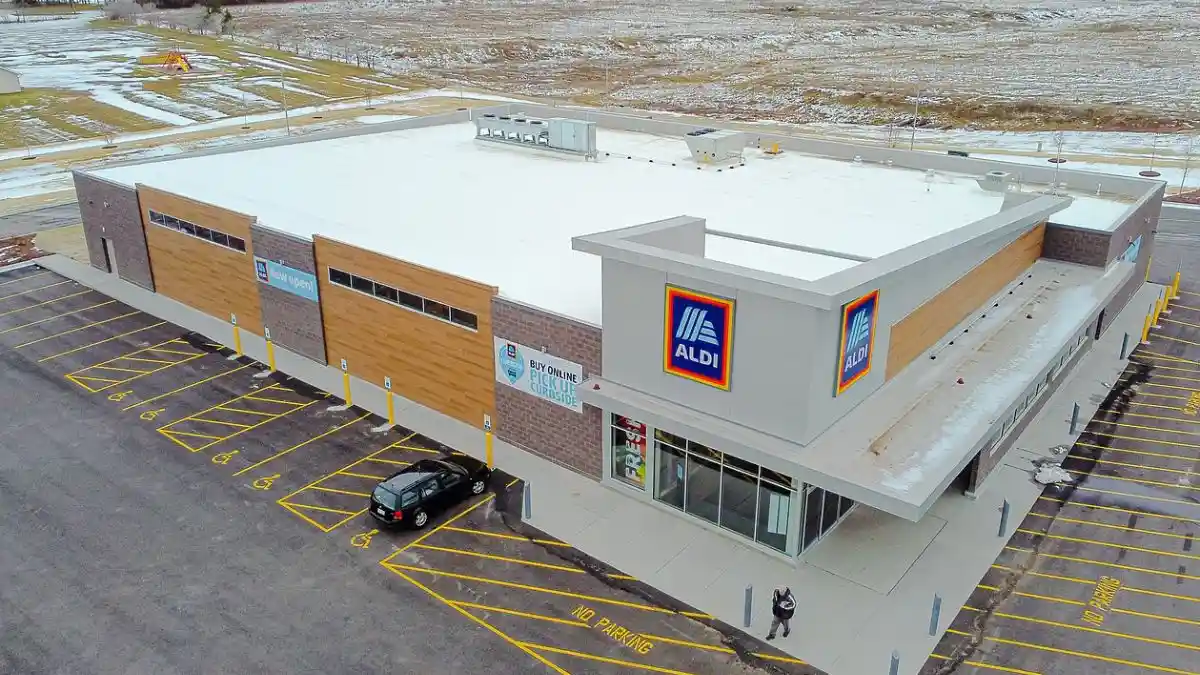
The products were shipped to ALDI supermarket locations across the United States.
Why Was The Product Recalled?
FSIS received a consumer complaint indicating the possible presence of metal fragments inside the frozen meatballs.
Foreign material contamination, especially metal, is classified as a serious food safety risk because it may cause injury if consumed.
FSIS is conducting recall effectiveness checks to ensure the product is removed from sale and that retail partners are notified.
What Should Consumers Do?
Consumers who purchased the affected meatballs are advised not to consume them. The product should be thrown away or returned to the place of purchase. At this stage, there have been no confirmed reports of injury linked to the recall.
Why This Matters For Supermarkets
This recall directly affects ALDI’s private label frozen category in the U.S. market. When a private label product is involved, the retailer carries greater reputational risk because its own brand is printed on the packaging.
Frozen ready-to-eat meat products are a high-volume US FMCG category, especially in discount supermarket formats where value lines drive traffic and basket size. A safety issue in this segment can trigger closer supplier reviews, tighter production oversight, and renewed quality control checks across the frozen supply chain.
For U.S. supermarket operators, fast recall execution and strong traceability systems remain essential to limit exposure and maintain consumer trust.
Editor’s Note: This report is based on the official recall announcement issued by the U.S. Department of Agriculture’s Food Safety and Inspection Service (FSIS) on 22 February 2026. Product details, distribution scope, and safety guidance reflect the information available at the time of publication.