
Tesco has reduced food waste in its Slovakia stores by 81% since 2016, marking a decade of food waste prevention efforts. Announced on 6 July 2026, the retailer said it has donated more than 27,593 tonnes of surplus food during the period, providing the equivalent of 66.55 million meals for people in need while avoiding an estimated 88,294 tonnes of CO₂ emissions. The milestone highlights how supermarket food donation programmes, operational improvements and digital partnerships can reduce waste while supporting local communities.
What is supermarket food waste reduction?
Supermarket food waste reduction refers to the systems and processes retailers use to prevent edible food from being discarded. These include better inventory management, price reductions on products nearing expiry, food donation partnerships, redistribution programmes, animal feed recovery and recycling. The approach helps lower environmental impacts while improving food security.
At a glance
- Tesco Slovakia has reduced food waste by 81% since 2016.
- Food waste has fallen from 9,957 tonnes to 1,878 tonnes over the decade.
- The retailer has donated 27,593 tonnes of surplus food.
- Those donations have provided the equivalent of 66.55 million meals.
- The programme has prevented an estimated 88,294 tonnes of CO₂ emissions.
- Food waste now represents just 0.36% of all food sold.
- Around 95% of edible unsold food was redistributed through donations during the last reporting year.
Why is Tesco’s food waste milestone significant?
Tesco became the first retailer in Slovakia to publicly measure and report its food waste performance in 2016. Since then, it has introduced operational changes designed to reduce unsold food across its store network while expanding redistribution partnerships with charities throughout the country.
The retailer also met the United Nations target of halving food waste ahead of schedule, achieving the goal in 2019 before continuing to reduce waste further during subsequent years.
How much food has Tesco donated?
Between March 2016 and February 2026, Tesco donated 27,593 tonnes of unsold but edible food through the Food Bank of Slovakia and more than 150 charity partners operating across the country.
The donations equate to approximately 66.55 million meal portions, while annual donations continue to increase. During the most recent reporting year, Tesco redistributed 5,765 tonnes of food, an increase of 139 tonnes compared with the previous year.
How has Tesco reduced food waste?
Tesco’s strategy combines improved store operations with digital technology and food redistribution partnerships.
Since 2020, every Tesco store in Slovakia has been connected digitally with charity organisations, allowing surplus food to be matched with local partners more efficiently. Last year, around 95% of food suitable for human consumption was donated rather than discarded.
Food that could no longer be consumed by people was redirected into other recovery streams. During the latest reporting year, 1,591 tonnes were repurposed as animal feed, while the remaining unavoidable food waste was composted.
What is the environmental impact?
Reducing food waste has also lowered Tesco’s environmental footprint.
According to the retailer, diverting thousands of tonnes of food from disposal has prevented approximately 88,294 tonnes of carbon dioxide emissions over the past decade. The progress also supports Tesco’s wider objective of reducing operational greenhouse gas emissions.
Food waste remains a significant environmental challenge globally. International studies estimate that around 40% of food produced worldwide is lost or wasted, while discarded food contributes roughly 9–10% of global greenhouse gas emissions.
How is Tesco supporting food waste prevention beyond its stores?
Tesco has expanded its food waste work beyond daily store operations through public awareness campaigns and community funding initiatives.
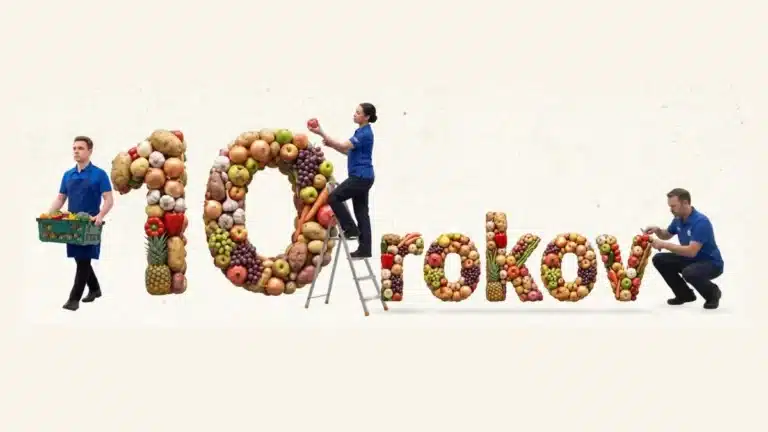
The retailer’s Waste Fighters campaign highlighted employees involved in food redistribution, while large public displays demonstrated the scale of weekly food donations. Through the Right Beginnings grant programme and the Tesco Foundation’s Food Rescuers initiative, the retailer has also supported projects focused on preventing food waste across Slovakia.
Since 2020, the Food Rescuers programme has distributed €237,460 to projects tackling food waste.
Industry context
Reducing food waste has become an increasingly important priority for supermarket retailers across Europe. Rising sustainability expectations, stricter reporting requirements, higher food costs and growing demand for responsible retail operations have encouraged retailers to invest in better forecasting, inventory management and food redistribution systems.
Many supermarket groups are also expanding partnerships with food banks and charities as part of broader efforts to reduce operational waste while supporting local communities.
What happens next?
Tesco is expected to continue expanding food waste prevention across its Slovakia operations through improved inventory management, digital redistribution and charity partnerships. The initiative reflects how the Slovakia supermarket sector is increasingly focusing on reducing food waste, improving food recovery and lowering emissions. As European retailers face growing pressure to cut waste and strengthen sustainability performance, measurable food recovery programmes are likely to remain a key part of supermarket operations.
Editor’s Note: This article is based on information released by Tesco Slovakia on 6 July 2026, supported by background data referenced from the WWF Driven to Waste report and United Nations food waste and food security statistics. The article has been independently structured and edited by Global Supermarket News for clarity and editorial consistency.