
Irish nutrition group Glanbia raised its full-year earnings outlook on 4 November 2026 after reporting 9.9% like-for-like revenue growth for the nine months to 3 October. The performance was led by its Optimum Nutrition brand, but a closer reading of the figures shows a sharp difference between higher selling prices and the amount of product sold.
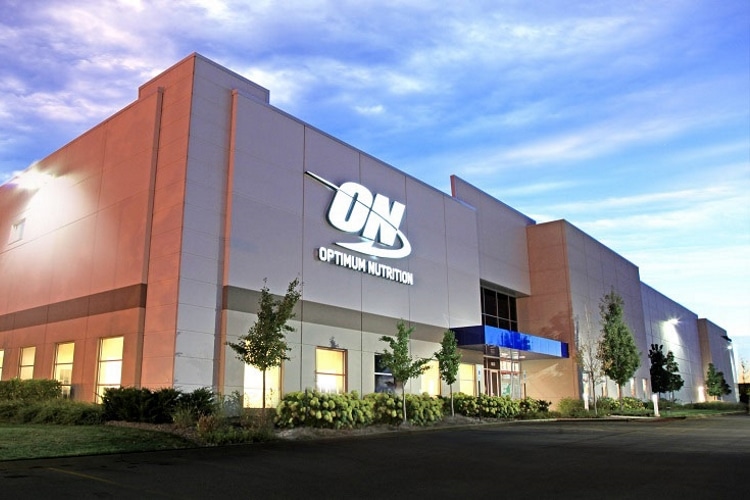
Optimum Nutrition’s third-quarter like-for-like revenue grew 26.9%. Price contributed 26.1 percentage points, while volumes increased just 0.8%. For supermarket and sports-nutrition buyers, that makes this more than a straightforward story about rising demand for protein.
Glanbia’s Performance Nutrition division recorded 18.0% like-for-like growth in the first nine months, comprising a 4.3% volume increase and a 13.7% price increase. Optimum Nutrition accounts for 79% of divisional revenue. The group said the brand benefited from market-share gains, additional distribution and product innovation as well as pricing measures introduced over the past year.
The wider group figures were more balanced. Across wholly owned businesses, volumes contributed 4.2% and prices 5.7% to the 9.9% like-for-like revenue increase. Reported-currency revenue grew 7.2%, a lower figure partly reflecting acquisitions and disposals. These measures are not interchangeable.
Health & Nutrition delivered 9.8% like-for-like growth, with volumes up 11.5% and prices down 1.7%. The group linked the performance to demand in active nutrition, functional beverages and vitamin and supplement applications. This matters to manufacturers sourcing functional ingredients because it points to actual higher throughput rather than primarily price-led revenue growth.
Dairy Nutrition grew 2.1% on a like-for-like basis, including 1.4% volume growth. Protein solutions benefited from demand in high-protein ready-to-eat foods and healthy snacks. Stronger protein-solutions prices were partly offset by weaker cheese prices, illustrating why retailers should not assume every dairy-derived ingredient is following the same market.
Glanbia now expects full-year constant-currency adjusted earnings-per-share growth of 22% to 24%, compared with its previous forecast of 17% to 20%. Its Performance Nutrition sales-growth guidance has risen to 16%–17%, from 12%–14%. Dairy Nutrition EBITDA is forecast at $175 million to $180 million.
Chief executive Hugh McGuire said the group’s performance was supported by volume growth across all three divisions. The company also announced that Wendy Chang Smith will become chief financial officer and an executive director on 31 March 2027.
For grocery retailers, three commercial questions follow. First, whether high protein-powder prices are sustainable if unit growth is modest. Second, whether buyers can secure reliable supplies of dairy proteins and functional ingredients without passing every increase to shoppers. Third, whether ready-to-eat protein products and drinks can keep growing by volume even as the wider category becomes more expensive.
The distinction is important for suppliers working across mainstream supermarkets, convenience stores and specialist sports-nutrition channels. A brand recording double-digit sales growth may still require careful analysis of units sold, distribution gains and promotional intensity.
Glanbia appears in GTN’s Irish food manufacturing analysis and its UK dairy company comparison. The new figures add a trading perspective to the industry’s protein supply and product-development decisions.
The next test will be whether the company sustains volume growth through the final quarter while navigating pricing, raw-material costs and consumer willingness to pay for premium nutrition products.
Editor’s Note: Based on Glanbia’s interim management statement dated 4 November 2026, with independent context from RTÉ and financial coverage. GTN’s analysis separates volume changes from price-driven revenue growth and assesses supermarket-buyer implications.